

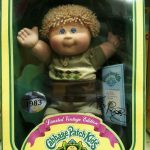
Ah, the 80s. A time of excess and over-the-top everything. This was the decade that brought us New Coke, the McDLT, shoulder pads, parachute pants, and yes — Cabbage Patch Kids. If you recall the time, you’ll remember that for several years, Cabbage Patch dolls were all the rage and even started a craze that is still ongoing today — Black Friday stampedes. It was the birth of shoving and kicking and fighting your way through the store to get that coveted item to place under your Christmas tree, and we have Cabbage Patch Kids to thank for that.
Recently, I watched the Neil Patrick Harris-produced and narrated documentary Billion Dollar Babies on Prime Video, and found myself reminiscing on this special time in the 80s, when these dolls were the most coveted toy on earth. During the documentary, I learned a lot. It had me thinking about just how much we were hooked on something that, by some accounts, was a stolen idea.
Here’s what I learned while watching the Billion Dollar Babies documentary:
Little People vs Doll Babies
Lore details that before they were mass-produced as Cabbage Patch Dolls, they were first called Little People. Xavier Roberts created the Little People concept and subsequently founded Babyland General in Georgia. But before they were even Little People, they were called Doll Babies. A woman named Martha Nelson Thomas created handmade, soft sculpture dolls called Doll Babies in Kentucky, which came with adoption papers and were one-of-a-kind. Sound eerily similar, right?
Stolen Idea
Xavier Roberts came across the dolls and bought a few. He approached Martha to sell her dolls. In articles found online, Martha seemed a little skeptical of Xavier. Xavier then took her idea and created his Little People in 1977, and licensed it to Coleco.
In 1978, Martha Nelson Thomas sued Xavier Thomas and later Coleco for copyright infringement, but after several years, she ended up settling with Xavier Roberts for an undisclosed amount.
Martha was heartbroken after the loss and even stopped making her Doll Babies. Xavier continued to profit from her original idea. She died of cancer in 2013.
[Throwback: Cabbage Patch Kids Frenzy of 1983]
BabyLand General
BabyLand General is the birthplace of Cabbage Patch Kids. Xavier Roberts fancied himself as the next Walt Disney and wanted a place people could come from all over the world to partake in the Cabbage Patch folklore. Located in Cleveland, Georgia, it first opened in 1978 when the dolls were called Little People.
In 2009, BabyLand General moved to a multi-million dollar estate and continues to be a popular tourist attraction for both young and old alike.

Coleco, Oh
In 1981, Xavier sought a licensing deal to grow his empire. Because Fisher-Price owned the Little People brand, the name of the dolls was changed to Cabbage Patch Kids. Coleco obtained the licensing, and by 1983, it was the gift every girl wanted for Christmas. It ignited a Black Friday frenzy, which resulted in several injuries and made countless nightly newscasts and newspaper coverage.
Supply & Demand
The Cabbage Patch Kids dolls reached a fever pitch in 1983 during Black Friday, when thousands of people across the country tried to score a Cabbage Patch doll for their daughters. There wasn’t enough supply to meet the demand, so they became highly sought after. Stores were selling out their limited quantities in a matter of minutes. During the Black Friday melee, people sustained injuries. One woman even broke her leg and had to be rushed to the hospital in an ambulance.

As a lover and certified 80s and 90s pop culturist, I look back fondly on the time that Cabbage Patch Dolls were the gift to give in the mid-80s. Since then, we’ve seen this same frenzy with Beanie Babies, Tickle Me Elmo, and the like.
Thanks to online shopping, Black Friday isn’t as bullish as it used to be. Let’s never forget how it got that way and the contribution this iconic doll made to post-Thanksgiving shopping.
Do you remember the Cabbage Patch craze? Did you own a doll?


Leave a Reply